

Swagelok® 감압 레귤레이터, 돔 하중
일반 산업용(SGRD 시리즈) 및 고감도(SHRD 시리즈) 감압 돔 하중 레귤레이터는 레귤레이터의 수동 또는 원격 작동과 정확한 설정 압력 제어가 필요한 폭넓은 산업용 애플리케이션에 적합한 솔루션입니다.
프로세스 레귤레이터 선택에 도움 받기SGRD 및 SHRD 시리즈 레귤레이터는 까다로운 환경에서 내구성을 제공하도록 설계되었습니다. 이 제품의 몸체는 316L 스테인리스강으로 구성되어 강력한 내식성과 수명을 제공합니다. 이 레귤레이터에는 다양한 재질의 내부 씰을 적용하여 광범위한 화학물질 및 압력 조건에서 더 높은 호환성을 제공할 수 있습니다.
감압, 돔 하중 레귤레이터는 안정적인 출구 압력을 유지하는 데 탁월한 성능을 제공합니다. 세트 스프링 대신 압력 돔을 사용하는 이 레귤레이터는 드룹(droop)을 효과적으로 제어합니다. 이 구조는 입구 압력 변화 또는 유량 변동에 관계없이 일관적인 출구 압력을 보장합니다.
SGRD 및 SHRD 시리즈의 특징
- 평형 포펫
- 다이어프램 감지
- 무배출(Non-venting)
- 파일럿 레귤레이터 제어
맞춤 구성 가능한 특성
- 파일럿에 대한 외부 피드백
- 차압 파일럿(SGRD 시리즈)
- 이중 단계(Dual stage) 파일럿(SGRD 시리즈)
- 조작 방지 / 출고 시 설정 파일럿 핸들
- NACE MR0175/ISO 15156
일반 산업용 감압, 돔 하중 레귤레이터(SGRD 시리즈)
사양
| 몸체 크기 | 최대 입구 압력 psig(bar) | 최대 출구 압력 psig(bar) | 조절 가능 압력 범위 psig(bar) | 감지 유형 psig(bar) | 온도 범위 °F(°C) | 유량 계수(Cv) | 최소 무게 lb(kg) |
|---|---|---|---|---|---|---|---|
| 12 | 6000(413) | 6000(413) | 5~6000(0.3~413) | 다이어프램: 5~6000(0.3~413) | –49~356° (–45~180°) | 2.3 | 9.7(4.4) |
| 16 | 4.8 | 26.5(12.0) | |||||
| 24 | 10.7 | 27.6(12.5) |
고감도 감압, 돔 하중 레귤레이터(SHRD 시리즈)
사양
| 몸체 크기 | 최대 입구 압력 psig(bar) | 최대 출구 압력 psig(bar) | 조절 가능 압력 범위 psig(bar) | 감지 유형 psig(bar) | 온도 범위 °F(°C) | 유량 계수(Cv) | 최소 무게 lb(kg) |
|---|---|---|---|---|---|---|---|
| 12 | 250(17.2) | 250(17.2) | 1~250(0.07~17.2) | 다이어프램: 1~250(0.07~17.2) | –49~356° (–45~180°) | 2.3 | 9.7(4.4) |
| 16 | 4.8 | 26.5(12.0) | |||||
| 24 | 10.7 | 27.6(12.5) |
감압, 돔 하중 프로세스 레귤레이터 카탈로그
구성 재질, 압력 및 온도 등급, 옵션, 액세서리를 포함한 자세한 제품 정보를 찾을 수 있습니다.
감압용 모델; 역압용 모델; 스프링 작동식, 돔 작동식 및 공기 작동식; 1/4 ~ 4인치 연결구; 최대 사용 압력 10 150 psig (700 bar); 온도 –20 ~ 80 ºC (–4 ~ 176 ºF)
압력 레귤레이터에는 한 편으로 스프링(아래에 표시) 또는 가스 압력에 의해 생성되는 하중의 힘(FS)을 받는 감지 요소(피스톤 또는 다이어프램)가 있습니다. 다른 한 편에서 감지 요소는 시스템 유체의 힘(F)에 영향을 받습니다.

적합한 레귤레이터를 선정하는 데 도움이 필요하십니까?
Swagelok 레귤레이터 유량 곡선 생성기 도구를 사용하여 다양한 애플리케이션에서 서로 다른 레귤레이터의 성능을 비교해보십시오.
적합한 레귤레이터 찾기고객별 맞춤 선별 Swagelok 리소스
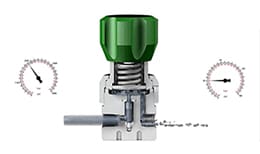
레귤레이터 내 공급-압력 효과(SPE) 관리
공급-압력 효과(SPE)란 의존성이라고도 부르며, 레귤레이터의 입구 압력과 출구 압력 변화 사이의 반비례 관계를 의미합니다. Swagelok이 제공하는 팁을 통해 압력 레귤레이터에서 이러한 현상을 관리하는 방법을 알아보십시오.
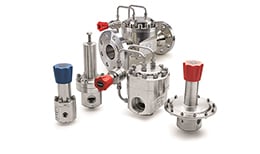
철저한 테스트가 신뢰성 높은 레귤레이터 성능을 보장하는 이유
극한 조건에서 올바르게 작동하도록 제품을 설계하려면 어떤 테스트가 필요할지 궁금하십니까? 영하의 온도에서도 작동하는 Swagelok RHPS 시리즈 산업용 레귤레이터의 개발 과정을 따라가면서 어떻게 설계되는지 알아보십시오.
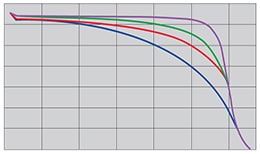
레귤레이터 유량 곡선을 평탄화하여 드룹(droop)을 줄이는 방법
드룹(droop)은 모든 감압 레귤레이터에서 발생하는 공통된 문제입니다. 다양한 돔 하중 레귤레이터 구성을 사용하여 드룹(droop)을 최소화하고 레귤레이터 유량 곡선을 평탄화하는 방법을 알아보십시오.
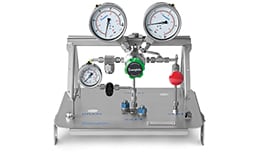
분석 계장 시스템에서 레귤레이터를 사용하여 시간 지연을 줄이는 방법
시간 지연 문제는 종종 분석 시스템에서 과소 평가되거나 오해를 받습니다. 이러한 문제를 완화하는 방법 중 하나는 압력 제어 레귤레이터를 사용하는 것입니다. 이러한 팁을 통해 분석 시스템의 시간 지연을 관리하는 방법을 알아보십시오.