

Swagelok® 감압 레귤레이터, 돔 하중
일반 산업용(SGRD 시리즈) 및 고감도(SHRD 시리즈) 감압 돔 하중 레귤레이터는 레귤레이터의 수동 또는 원격 작동과 정확한 설정 압력 제어가 필요한 폭넓은 산업용 애플리케이션에 적합한 솔루션입니다.
프로세스 레귤레이터 선택에 도움 받기SGRD 및 SHRD 시리즈 레귤레이터는 까다로운 환경에서 내구성을 제공하도록 설계되었습니다. 이 제품의 몸체는 316L 스테인리스강으로 구성되어 강력한 내식성과 수명을 제공합니다. 이 레귤레이터에는 다양한 재질의 내부 씰을 적용하여 광범위한 화학물질 및 압력 조건에서 더 높은 호환성을 제공할 수 있습니다.
감압, 돔 하중 레귤레이터는 안정적인 출구 압력을 유지하는 데 탁월한 성능을 제공합니다. 세트 스프링 대신 압력 돔을 사용하는 이 레귤레이터는 드룹(droop)을 효과적으로 제어합니다. 이 구조는 입구 압력 변화 또는 유량 변동에 관계없이 일관적인 출구 압력을 보장합니다.
SGRD 및 SHRD 시리즈의 특징
- 평형 포펫
- 다이어프램 감지
- 무배출(Non-venting)
- 파일럿 레귤레이터 제어
맞춤 구성 가능한 특성
- 파일럿에 대한 외부 피드백
- 차압 파일럿(SGRD 시리즈)
- 이중 단계(Dual stage) 파일럿(SGRD 시리즈)
- 조작 방지 / 출고 시 설정 파일럿 핸들
- NACE MR0175/ISO 15156
일반 산업용 감압, 돔 하중 레귤레이터(SGRD 시리즈)
사양
| 몸체 크기 | 최대 입구 압력 psig(bar) | 최대 출구 압력 psig(bar) | 조절 가능 압력 범위 psig(bar) | 감지 유형 psig(bar) | 온도 범위 °F(°C) | 유량 계수(Cv) | 최소 무게 lb(kg) |
|---|---|---|---|---|---|---|---|
| 12 | 6000(413) | 6000(413) | 5~6000(0.3~413) | 다이어프램: 5~6000(0.3~413) | –49~356° (–45~180°) | 2.3 | 9.7(4.4) |
| 16 | 4.8 | 26.5(12.0) | |||||
| 24 | 10.7 | 27.6(12.5) |
고감도 감압, 돔 하중 레귤레이터(SHRD 시리즈)
사양
| 몸체 크기 | 최대 입구 압력 psig(bar) | 최대 출구 압력 psig(bar) | 조절 가능 압력 범위 psig(bar) | 감지 유형 psig(bar) | 온도 범위 °F(°C) | 유량 계수(Cv) | 최소 무게 lb(kg) |
|---|---|---|---|---|---|---|---|
| 12 | 250(17.2) | 250(17.2) | 1~250(0.07~17.2) | 다이어프램: 1~250(0.07~17.2) | –49~356° (–45~180°) | 2.3 | 9.7(4.4) |
| 16 | 4.8 | 26.5(12.0) | |||||
| 24 | 10.7 | 27.6(12.5) |
감압, 돔 하중 프로세스 레귤레이터 카탈로그
구성 재질, 압력 및 온도 등급, 옵션, 액세서리를 포함한 자세한 제품 정보를 찾을 수 있습니다.
Swagelok RHPS series deliver precise pressure control in process fluid systems up to 4 in. (101 mm) in a variety of spring-, dome-, and air-loaded pressure regulators.
A pressure regulator has a sensing element (piston or diaphragm) which, on one side, is subjected to a load force (FS) created by a spring (as shown below) or gas pressure. On the other side, the sensing element is subject to the force (F) of the system fluid.

¿Necesita Ayuda para Seleccionar los Reguladores Adecuados?
Compare el rendimiento de los diferentes reguladores bajo diferentes condiciones de aplicación con nuestro generador de curvas de caudal para reguladores.
Encuentre Su ReguladorRecursos Swagelok Elaborados para Vd.
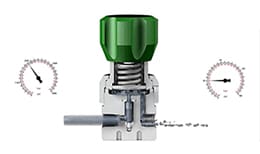
Controlar la Variación en la Presión de Entrada (SPE, de Supply Pressure Effect) en un Regulador
La variación en la presión de entrada, también llamada dependencia, es una relación inversa entre las variables de las presiones de entrada y salida en un regulador. Aprenda a controlar este fenómeno en sus reguladores de presión con los consejos de Swagelok.
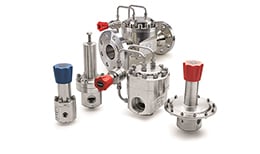
Cómo un Programa Exhaustivo de Ensayos Garantiza el Rendimiento Fiable de los Reguladores
¿Se ha preguntado qué tipo de pruebas se hacen a los productos diseñados para operar en condiciones extremas? Entre en nuestros laboratorios y siga el desarrollo de los reguladores industriales serie RHPS, clasificados para trabajar a temperaturas muy por debajo de cero.
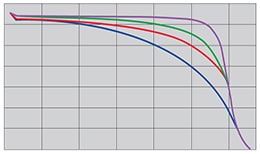
Cómo Aplanar la Curva de Caudal de un Regulador para Reducir el Droop
El droop es un problema para todos los reguladores reductores de presión. Aprenda cómo minimizar el droop y aplanar la curva de caudal de un regulador con varias configuraciones de reguladores pilotados.
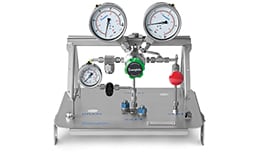
Cómo Utilizar un Regulador para Reducir el Retardo de Muestra en un Sistema de Instrumentación Analítica
El retardo es frecuentemente subestimado o incomprendido en los sistemas analíticos. Una forma de controlar el retardo es utilizar un regulador. Vea cómo gestionar el retardo de su sistema analítico con estos consejos.